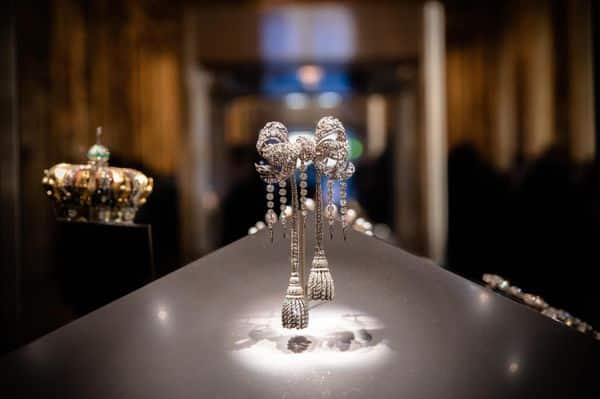
The theft of imperial jewels from the Louvre this past Sunday, October 19, 2025, serves as a stark reminder: even the most prestigious institutions are not immune. And when the irreparable happens, insurance does far more than compensate — it becomes a strategic lever for transformation.
At PSPI, we don’t simply cover risk. We help you anticipate it, understand it, and above all, prevent it.
What the Louvre Theft Reveals
This lightning heist, carried out in broad daylight in the Galerie d’Apollon, brought to light a reality often overlooked: works held in public museums are generally not insured. The State acts as “its own insurer,” on the premise that the cost of comprehensive coverage would be prohibitive for treasures considered priceless.
But this logic isn’t confined to public institutions. It also applies to certain private collectors, foundations, and galleries who put off the question of insurance, assuming “it only happens to others.” And sometimes worse: under-insurance — where coverage is too limited or poorly calibrated — leaves valuable holdings exposed to major risk.
An incident of this kind is a reminder that insurance is never simply financial coverage. It typically requires, upstream, the implementation of security protocols, regular audits, and rigorous standards. Training teams, reinforcing safeguards, anticipating vulnerabilities — these measures meaningfully reduce risk. At its core, insurance isn’t just a contract: it’s a culture of vigilance and risk mastery.
Insurance as a Tool for Active Prevention
What’s often forgotten is that insurance does far more than indemnify. It imposes discipline, a structured reading of risk, and at times, security audits — audits that, in the Louvre’s case, could have flagged the shortcomings previously identified by the Cour des Comptes and accelerated the security upgrades the site needed.
In other words: insurance forces the right questions to be asked, moves things forward, and favours prevention over cure.
Insuring — Why, and For What?
A well-designed policy could, in this instance, have:
- Covered the value of the stolen pieces, pre-agreed between insurer and insured
- Taken on associated costs — such as the restoration of Empress Eugénie’s crown, found damaged, its transport to specialist workshops, expert appraisal, and more
But above all, it could have mandated security standards, regular audits, and concrete measures to limit risk from the outset.
Our Role at PSPI
As a broker specialising in international insurance for art and valuable objects, our mission is to:
- Stand by your side at every stage
- Decode the risks specific to your collection
- Anticipate sensitive scenarios
- Translate your concerns into concrete coverage
Our multidisciplinary team supports you with:
- Precise valuation of your works
- Careful analysis of usage — exhibition, loan, transport, and beyond
- Bespoke prevention planning
- Personalised coverage, built around your collection
Collectors, Stay Vigilant
When lending your works for an exhibition, verify the insurance terms and security measures in place. A well-protected work is a better-insured work.
Don’t put off what could protect you tomorrow.
Contact PSPI to secure what truly matters — before it’s too late :
collectible@5q60ecdmsv.preview.infomaniak.website / ☎️ +41 22 317 78 50