
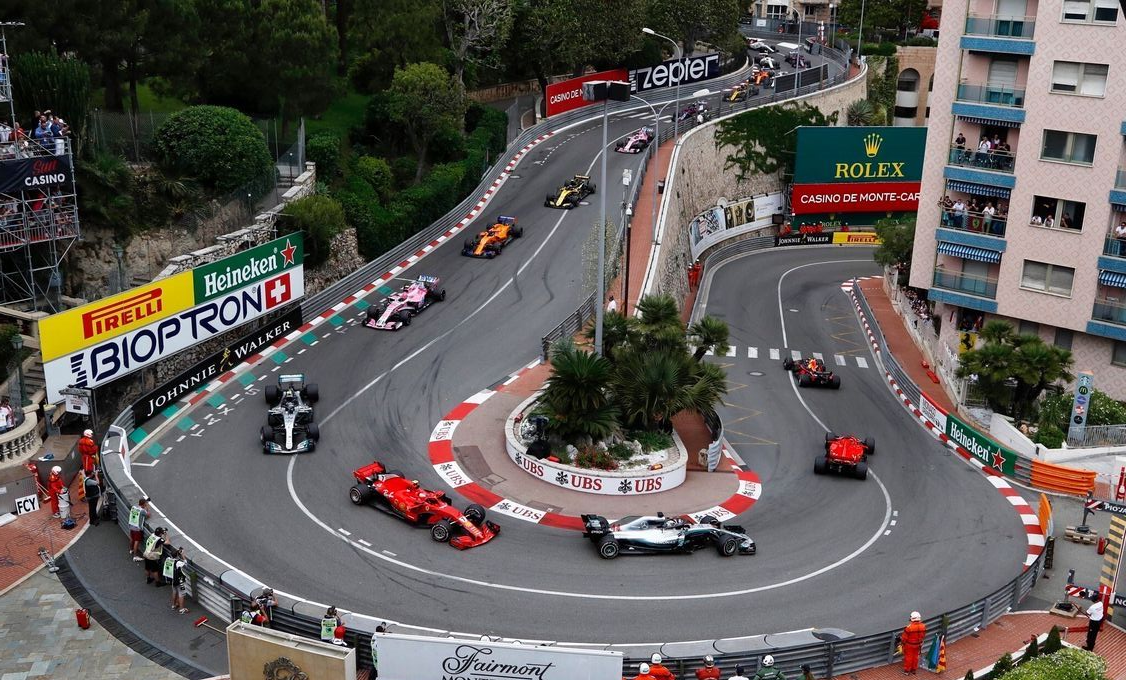
The noise is deafening. In a fraction of a second, the car slams into the barrier. The front wing shatters, the suspension gives way, carbon fibre scatters across the track. Within minutes, the footage is circling the globe.
The bill will run into the millions of euros. And the team will bear it alone.
Why don’t Formula 1 teams typically insure their cars?
In insurance, a risk is easier to transfer the rarer, more random, and more unpredictable it is.
In Formula 1, it’s the opposite.
Crashes, collisions, and mechanical failures are part of the business model. The risk is known, frequent, and budgeted for. That’s why teams generally don’t insure race-day damage: rather than paying substantial premiums to transfer such a recurring risk, they prefer to set aside reserves, manufacture their own spare parts, invest in prevention, and absorb losses directly when they occur.
This strategy has a name: risk retention.
In risk management, several strategies exist: avoid a risk, reduce it, transfer it to an insurer, or retain it when doing so makes economic sense. Formula 1 teams have chosen the latter approach — for race damage, and not at the cost of unchecked exposure elsewhere: the rest of their operations (infrastructure, liability, personnel) remain largely insured.
What if this logic applied to protecting your exceptional assets too?
For a primary residence or a car, the question rarely arises. The reasoning shifts, however, when it comes to insuring an art collection, fine watches, a wine cellar, or other exceptional assets.
Should I insure everything? It’s a question we address regularly with our clients in our capacity as protection advisors.
Some collectors and owners of significant wealth choose to insure only part of their assets. They judge the likelihood of a major loss to be low enough to justify retaining part of the risk rather than paying to transfer it.
This decision can be sound — provided it stems from an informed trade-off, grounded in a precise understanding of the risks and the financial consequences of a loss, rather than mere intuition.
Because if a stolen or damaged item isn’t listed in the inventory declared to the insurer, no compensation will be possible. What looked like a reasonable saving on the premium then becomes a straight loss, with no safety net — revealing a hidden cost far greater than the savings ever were.
Forgoing specialist insurance means giving up far more than a payout.
Many clients have the liquidity to absorb a financial loss. But a loss is never just a figure on a bank statement: it sets off a complex, time-consuming chain of events that is often underestimated. Liquidity doesn’t replace foresight, prevention, or organisation. It doesn’t coordinate experts after a fire. It doesn’t locate an art restorer at a moment’s notice. It doesn’t secure a property after a break-in. Nor does it manage the time required, the decisions that must be made under pressure, or the coordination of multiple parties at precisely the moment you’re most vulnerable.
It is precisely in this space — time, organisation, expertise, crisis management — that the true cost of a poorly anticipated loss lies hidden. A cost rarely visible in advance, but one that weighs heavily the day you have to act.
Formula 1 teams have built organisations capable of absorbing losses running into millions of euros without compromising their operations — with dedicated teams, well-honed procedures, and resources that can be mobilised instantly. For an individual, the stakes are different: it isn’t a matter of retaining everything or insuring everything, but of making informed decisions, guided by specialists capable of anticipating the consequences far beyond the simple financial cost of a loss.
The real question, then, isn’t “Can I absorb this loss?” but rather “Am I prepared to face all its consequences?”
At PSPI, our role isn’t simply to place an insurance policy. It’s to help our clients make intelligent trade-offs between the risks worth retaining and those worth transferring, to make sound decisions in the face of anything that could threaten their wealth, their family, or their business — and to carry the complexity, so they can preserve their peace of mind.